

Getting the right fit for your snapback hat isn’t just about comfort—it’s about looking and feeling your best. Whether you’re wearing it casually or for branding, knowing how snapback hat sizes work helps you avoid that too-loose or too-tight feeling.
In this guide, we’ll break down how snapbacks are sized, how to measure your head, and what each adjustable position really means. You’ll also find easy-to-follow size charts, fit tips, and solutions for common sizing issues. Let’s find your perfect fit.
How Snapback Hats Are Sized

Snapback hats stand out for their adjustable strap system, usually featuring seven plastic notches or holes at the back. This classic design makes it easy to tweak the fit without needing an exact head size—perfect for gifts, everyday wear, or sharing with a friend.
The 7-Position System Explained
Most snapback hats come with 7 snap positions, allowing the wearer to adjust the tightness in small increments. Each hole usually changes the hat’s circumference by about 3/8 inch (roughly 0.95 cm).
This means you can fine-tune the fit to match your head size more precisely than you might think.
One Size Doesn’t Always Fit All
Here’s something many people don’t realize: not all snapback hats are created equal. Even two hats from the same brand might feel different. The shape of the crown, brim style, and materials used (like cotton, wool, or mesh) can all impact the overall fit.
That’s why it’s worth checking each model’s size range if available—or using our size charts to guide you. So, while snapbacks are known for their flexibility, a bit of sizing know-how goes a long way in finding that just-right fit.
How to Measure Your Head for a Snapback
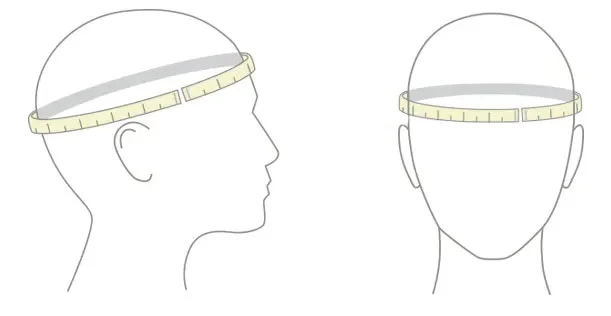
Before you pick your perfect snapback, it’s a good idea to know your head size. Luckily, it’s super easy—and you’ve got a few different ways to do it.
Method 1: Use a Soft Tape Measure
Grab a flexible tape measure and wrap it around your head, placing it about ½ inch above your eyebrows and ears. This is where your hat naturally sits.
Hold the tape snug, but not too tight. Once you have the number in inches or centimeters, you can match it to a size chart or snapback adjustment position.
Method 2: Use a String and Ruler
No tape measure? No problem. Just take a piece of string, wrap it around your head in the same spot as above, and mark where it overlaps. Then, lay the string flat and measure it against a ruler or yardstick. It’s surprisingly accurate for a DIY approach.
Method 3: Try on a Snapback Hat
Already have a snapback hat you love? Pop it on, find the most comfortable snap setting, and check which position notch it’s snapped into. You can use that as a baseline for future purchases or compare it with a size conversion chart.
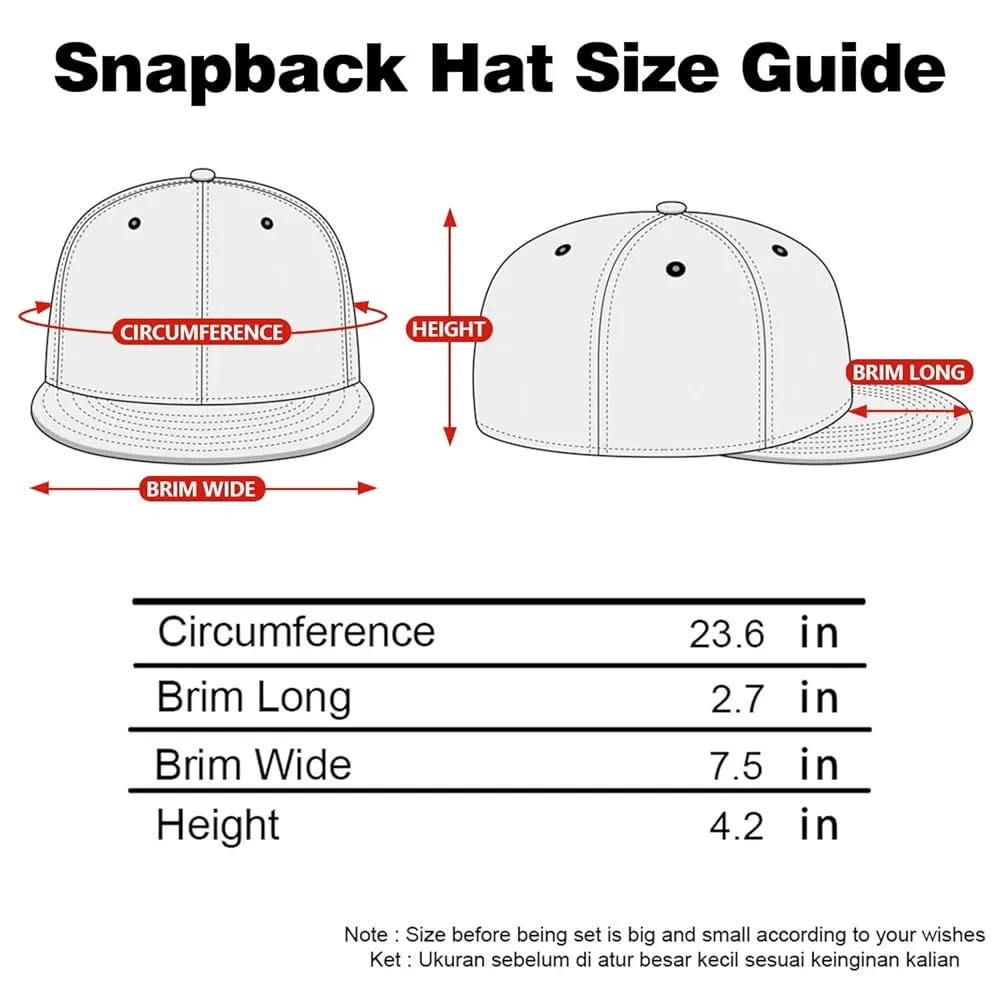
Extra Tips for Better Fit
Size up if your measurement falls between two sizes or positions.
If the hat feels slightly loose, try adding a sweatband or sizing tape inside the brim to improve comfort and grip.
Always try on the hat, if possible—some materials and crown shapes fit differently even with the same sizing.
Getting this step right makes everything else easier—so it’s worth the couple of minutes to measure properly.
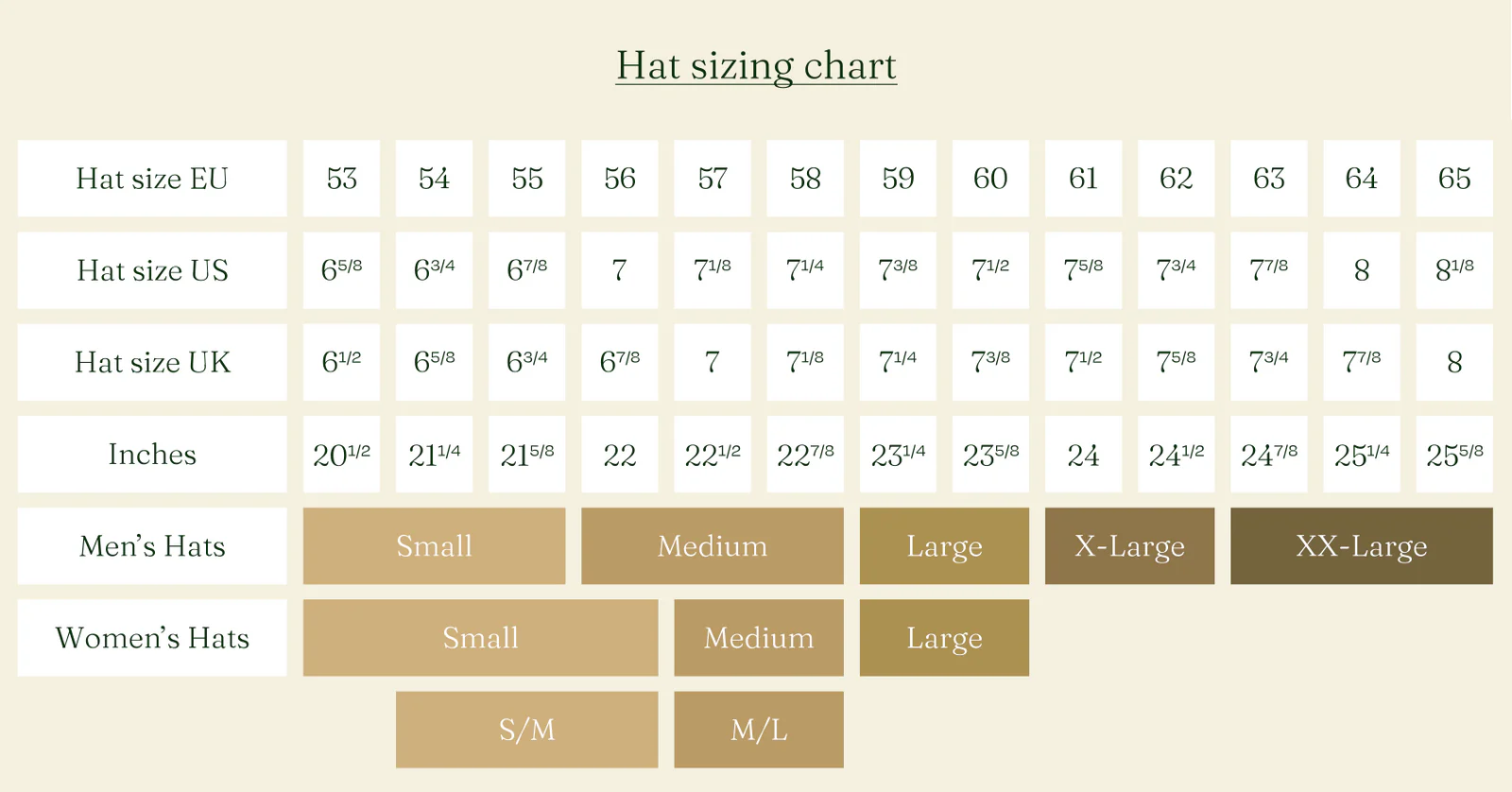
Universal Hat Size Chart (Fitted Size Reference)
If you prefer using fitted sizes to figure out your snapback hat size, this universal chart will help you compare US hat sizes, head circumference in inches, and centimeters. It’s especially helpful when converting between traditional hat sizes and snapback adjustments.
What Does “OSFM” Mean?
You’ve probably seen hats labeled as OSFM, or One Size Fits Most. This means the hat is designed to fit a broad range of head sizes, usually covering 7 to 7 3/4 in fitted hat sizes, or about 22 to 24 1/4 inches in circumference. It’s the most common label for snapbacks.
Common Snapback Size Ranges
Snapback hats are often grouped into general size categories like:
S/M (Small/Medium): Fits heads from about 6 3/4 to 7 1/4
L/XL (Large/Extra Large): Fits heads from about 7 1/4 to 7 5/8
Youth: Typically fits 6 3/8 to 6 7/8 head sizes
Heads-Up: Sizing May Vary Slightly
Even with charts like this, sizing can vary a little between different brands, models, or materials. A cotton snapback might fit a bit tighter than one made from mesh or a stretch fabric. That’s why measuring your head and testing fit with the snapback strap is always the best move.
Common Fit Problems & Fixes

Too Tight? Try Adjusting or Stretching
If your snapback feels too tight, move the strap to a larger hole to create more space. For added flexibility, gently stretch the hat over a round object like a bowl. Just avoid over-stretching if the material is wool or structured cotton.
Too Loose? Improve the Fit with Padding
A loose-fitting snapback can be annoying, especially if it shifts around. Try adjusting to a smaller snap position. If that’s not enough, add some sweatband padding or foam strips inside the hat to fill the gap and create a more secure, comfortable fit.
Position 7 Feels Weak or Unstable
The last snap (Position 7) is often less secure and can unsnap easily. If that happens, use Position 6 instead. If your head is on the larger side, consider a Flexfit or stretch-fit snapback. These styles combine snapback adjustability with extra elastic comfort.
Bent Brim? Reshape It Gently
Snapback brims can bend out of shape during travel or storage. To fix this, gently reshape the brim by hand or place it in a curved form. Avoid using heat or dryers—just let it rest overnight to naturally return to its proper shape.
Styling Snapback Hats by Fit and Look

Fit Shapes the Vibe: Casual, Sporty, or Streetwear
Snapback hats are more than just adjustable caps—they’re part of your style statement. A snug, clean fit tends to give off a sporty or polished look, while a looser fit with a slightly raised crown feels more relaxed or street-inspired. Your fit choice sets the tone.
Frontward, Backward, or Curved? Make It Yours
Wearing your snapback forward gives a classic, athletic feel. Turning it backward adds a casual, rebellious edge. Prefer something in-between? Gently curve the brim for a modern, laid-back vibe. However you wear it, make sure it sits comfortably and lines up with your personal style.
Confidence Comes from Comfort and Fit
When your snapback fits well, it not only looks better—it feels better, too. You won’t be adjusting it constantly or worrying if it’s sitting right. A well-fitting snapback boosts your confidence, whether you’re out running errands or styling it with a full outfit.
Conclusion
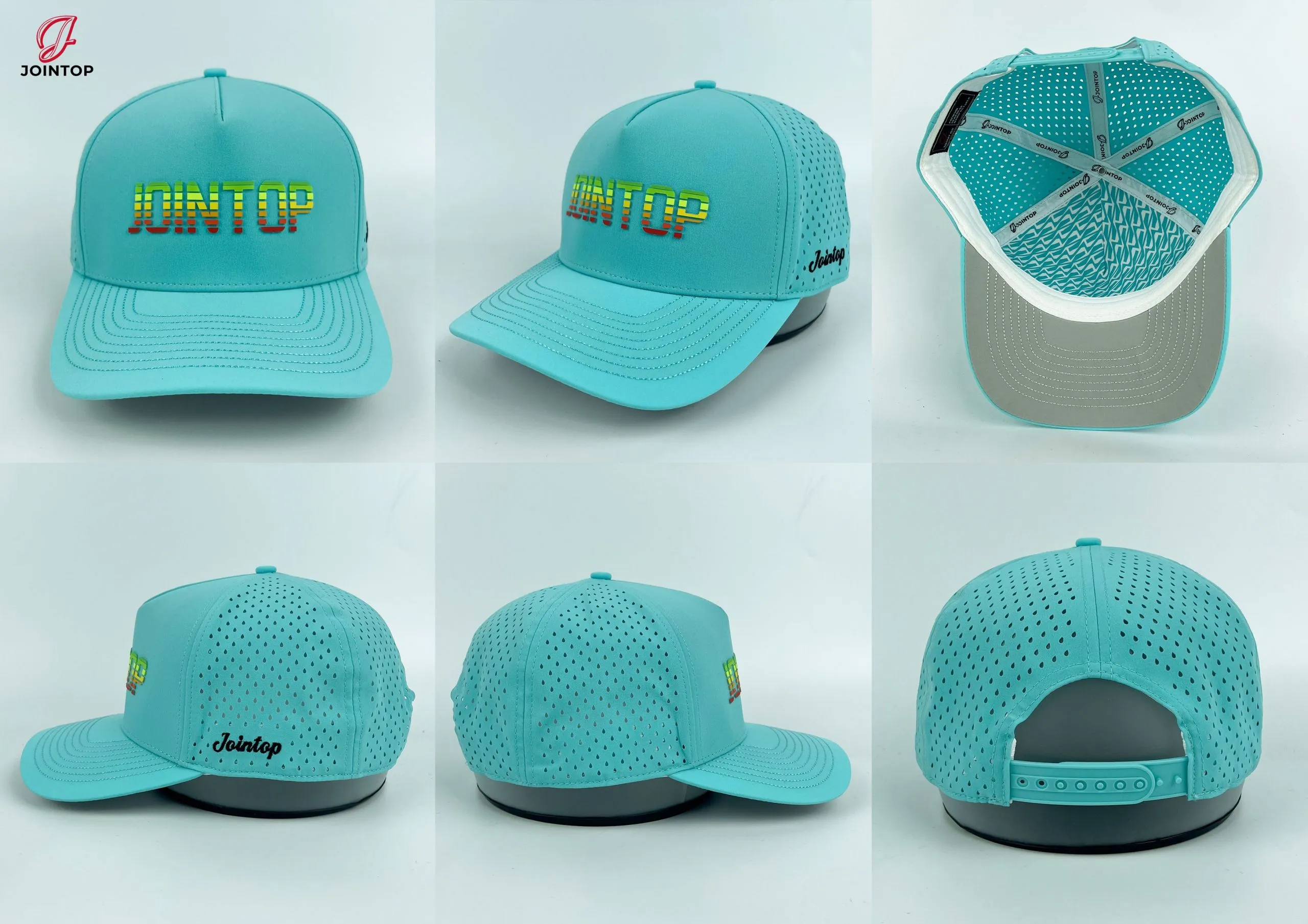
Understanding snapback hat sizes helps you get the perfect fit—whether you’re buying for yourself or others. From measuring your head to decoding strap positions and adjusting the brim, a few simple tips can make your snapback more comfortable and stylish every day.
At Jointop, we specialize in custom snapback hats with flexible sizing and reliable quality. With local factories in Bangladesh and Vietnam, we support fast turnaround, bulk production, and OEM/ODM services. Ready to create your own hat line or need expert advice?
Contact our team today to get started.


 EN
EN  ES
ES  FR
FR  AR
AR  JA
JA  KO
KO  RU
RU  DE
DE  PT
PT  IT
IT  TR
TR