

Hats have always been more than just a way to shield our heads from the sun. For centuries, they’ve played a symbolic role in society, signifying everything from status and authority to fashion and personal style.
Whether it was a top hat, a fedora, or a simple cap, men’s headwear used to carry a heavy load of meaning. One of the most well-known traditions? Removing your hat when you enter a building. But why? And why has this tradition changed so much over time?
Fast forward to today, and the norms around wearing hats indoors have become much more relaxed. In the past, it was a serious faux pas to wear a hat inside—whether at a friend’s house, in a formal gathering, or even at the office. Fast-forward to the present, and you’ll find hats indoors at casual cafes, shopping malls, and even some offices.
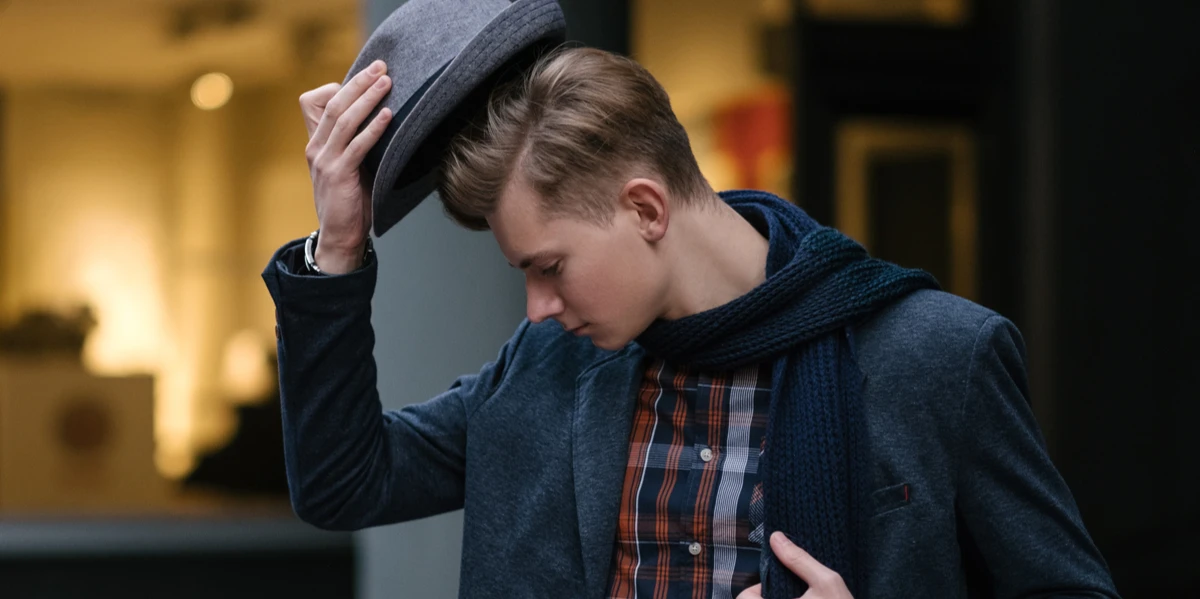
As our society has grown more casual and less rigid in its formalities, the once-strict rules of headwear etiquette have loosened. But does that mean it’s always acceptable to keep your hat on indoors? The answer depends on the setting, the occasion, and the culture you’re in.
Historical Significance of Removing Hats Indoors
Traditional Etiquette: A Gesture of Respect
In centuries past, the act of removing a hat indoors was more than just a cultural quirk—it was a mark of respect. If a man entered someone’s home, a place of worship, or even a formal business setting, he would remove his hat to acknowledge the importance of the space and the people inside.
This was particularly true in Western societies, where hats symbolized status and were often linked to one’s position in the social hierarchy. Removing one’s hat indoors was seen as a sign of humility—acknowledging that the space you were entering was sacred or that the people you were meeting were worthy of respect.
Cultural Etiquette Roots: Humility and Hierarchy
The tradition of taking off one’s hat indoors was deeply tied to Western etiquette and was often dictated by social customs. In this context, hats weren’t just accessories—they were powerful symbols of social rank.
A man with a top hat, for example, was likely someone of higher status or authority, while a simple cap might be worn by someone of more modest means.

Regardless of the specific style, removing the hat was seen as an equalizer—an act that brought all men, no matter their status, into a more humble and respectful posture when inside.
This tradition also reflected broader social hierarchies. Men would remove their hats in the presence of authority figures, such as royalty, clergy, or elders.
It was a symbol of acknowledging their superiority or importance in the social structure. In churches or other places of worship, hats were removed as a sign of reverence for the sacred space and its traditions.
Social Impact: Respect for Authority and Formality
Beyond individual acts of respect, the removal of hats indoors also had a broader societal impact. It reinforced the social order, with hats often signaling power and authority. In certain contexts, removing a hat indoors was an acknowledgment of the higher rank of the host or institution you were entering.
For example, in the military, soldiers are required to remove their hats indoors as a sign of respect for their commanding officers and the institution they represent. In churches, where rituals and tradition played a huge role in society, the removal of hats was an outward expression of deference to the divine.
This etiquette even extended to everyday situations, where men would take off their hats when entering someone’s home or when greeting a woman. It was a way to show respect for the space, the person, and the occasion.
These traditions shaped not only how men interacted socially, but also how society viewed the act of wearing or removing a hat in various settings.
For further insights into the history of hat etiquette, check out our Hat Etiquette for Modern Men guide.
Changing Perspectives: Why Hats Indoors Are More Accepted Today
Casual Settings and Fashion Trends
In recent years, the attitude towards wearing hats indoors has undergone a noticeable shift. What was once considered a sign of disrespect has now become an integral part of everyday fashion.

Take a stroll through your local coffee shop, and you’ll likely see a sea of hats—from beanies to snapbacks to baseball caps—gracing the heads of people, young and old. These hats are not just for the outdoors anymore; they’ve become an essential part of the casual style that many embrace indoors.
Thanks to the rise of streetwear culture and fashion trends, hats have gained a place in indoor settings. No longer just a functional accessory to shield from the sun, hats have become a personal style statement.
Whether it’s a classic snapback or a cozy beanie, wearing a hat indoors is often seen as a fashionable choice rather than an act of defiance against traditional norms.
In fact, wearing hats indoors at casual events—like hanging out at a coffee shop, attending a concert, or watching a sports game—has become the new normal.
Rise of Streetwear and Fashion Culture
One of the most significant cultural shifts has come with the rise of streetwear and its influence on mainstream fashion. Designers and influencers have popularized hats as key accessories in everyday outfits, making them more accessible and acceptable for indoor wear.

Beanies, baseball caps, and even bucket hats are now considered essential parts of a stylish outfit, whether you’re lounging at home or heading to the office.
As fashion has become more fluid, there’s no longer a rigid dress code that dictates when a man should remove his hat indoors. Instead, personal style reigns supreme. Streetwear culture encourages individuality, which has led to hats being worn in places that were once considered off-limits.
From hipster cafes to brunch spots, you’ll find that hats are as common indoors as they are outside, becoming part of the everyday look.
Relaxed Workplace Norms
Another area where the rules surrounding hats have relaxed is the workplace. For decades, office environments required a strict dress code, with hats being seen as unprofessional or disrespectful.
However, over the past few years, there’s been a noticeable shift towards business-casual attire, and with that comes a more relaxed approach to wearing hats indoors.
In industries like tech, media, and creative professions, it’s not unusual to see employees sporting their favorite hats while brainstorming ideas or attending meetings.
Companies in these fields have adopted a more laid-back atmosphere, allowing for personal expression through fashion choices. In these environments, hats are seen as an extension of an individual’s style or personality, rather than a violation of office decorum.
On the other hand, more traditional industries, such as finance, law, or high-level corporate offices, still tend to uphold stricter dress codes, where hats indoors might not be the norm. However, even these industries are slowly becoming more lenient, allowing certain types of hats, like fedoras or trilbies, in a more business-casual context.
Social Media Influence
The rise of social media has played a significant role in reshaping how we view hats indoors. With influencers, celebrities, and trendsetters posting photos of themselves rocking hats indoors.

It’s become more of a cultural norm than a fashion faux pas. Instagram, TikTok, and Pinterest have helped propel the idea that wearing hats indoors isn’t just accepted—it’s cool.
Whether it’s a laid-back snap of a musician wearing a beanie at home or a fashion influencer sporting a snapback at a brunch, social media has made hats an everyday accessory that’s synonymous with personal expression. These platforms have helped normalize the idea that hats are no longer just an outdoor item—they’re now part of an indoor wardrobe that defines your style.
The Etiquette of Wearing Hats Indoors: When to Remove Your Hat
Formal and Respectful Spaces
While wearing hats indoors has become more widely accepted, there are still certain spaces where it’s essential to follow traditional etiquette and remove your hat.

These are places where respect, reverence, or solemnity is expected. Let’s dive into these spaces and explore why the etiquette still matters.
Religious Ceremonies
When it comes to religious ceremonies, removing your hat is still considered a sign of respect. Whether you’re attending a church service, a synagogue, or a temple, it’s expected that you will take off your hat before entering.
This act symbolizes reverence for the sacred space and acknowledges the significance of the ritual. In many faiths, hats are seen as disruptive to the sacred atmosphere, and removing them demonstrates humility and respect for the divine.
National Events
Another place where hats should be removed is during the national anthem or other public ceremonies. This is not just about following tradition; it’s about showing respect for the country and its symbols.
Whether at a sports event, a public gathering, or a government ceremony, removing your hat during these moments signifies that you are paying your respects to your nation’s heritage and its symbols of unity and freedom.
Funerals & Weddings
In solemn events like funerals and weddings, removing your hat is an important part of showing respect for the occasion and the people involved. At a funeral, taking off your hat signifies mourning and pays tribute to the deceased.
At a wedding, it shows reverence for the couple and the sacredness of the ceremony. In both cases, hats are seen as a distraction and removing them helps maintain the decorum expected at these significant life events.
Private Homes and Social Settings
When it comes to private homes or social gatherings, the etiquette around wearing hats indoors can be a bit more flexible. Generally speaking, you should be aware of the host’s preferences and the general atmosphere of the event.
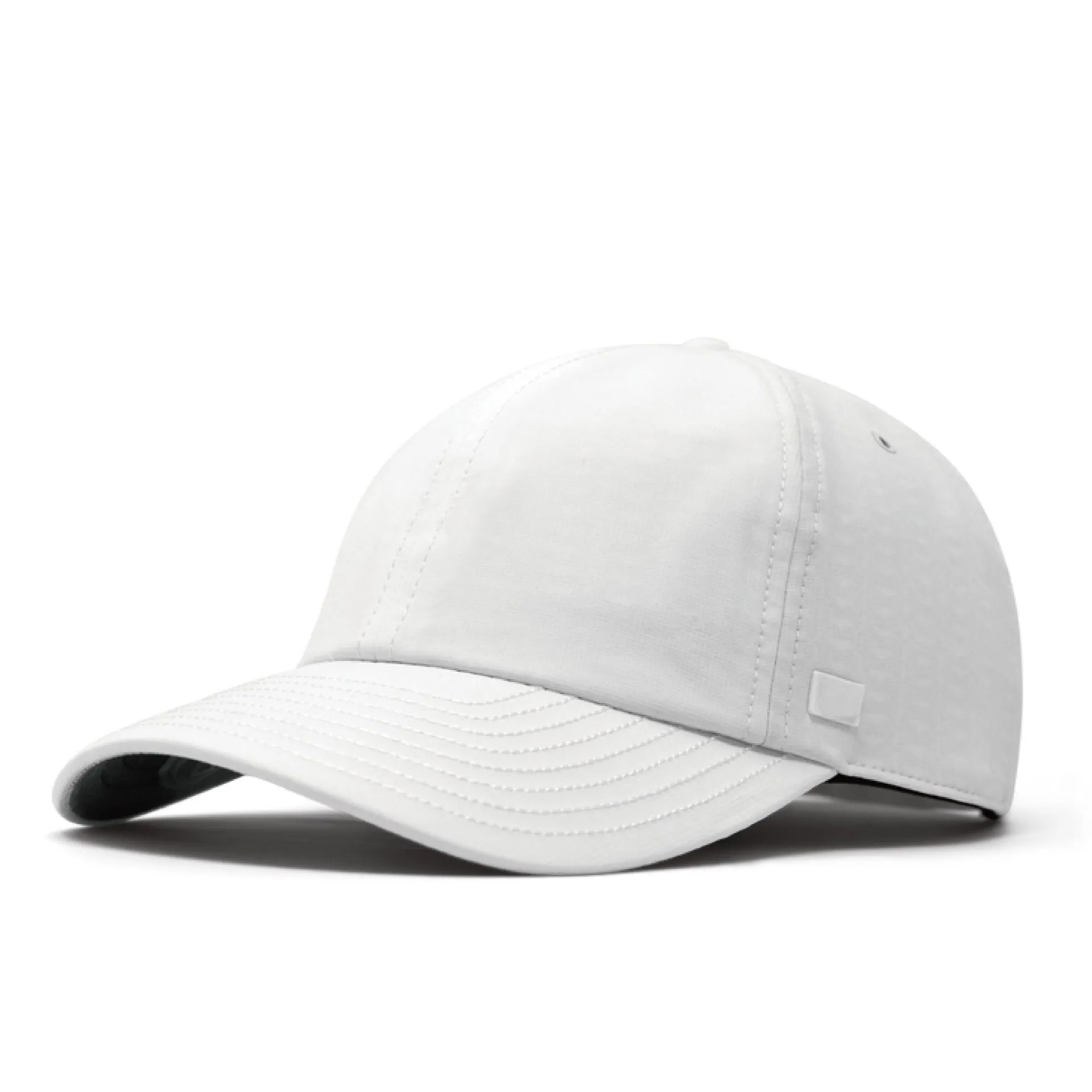
If you’re visiting a friend’s house or attending a dinner party, it’s always polite to ask or gauge from the other guests whether wearing a hat is acceptable.
In many informal social settings, especially when dining, removing your hat is considered a sign of respect. In the presence of others, hats can be seen as a barrier to communication or intimacy. If you’re unsure, it’s safer to remove your hat and follow the lead of others around you.
Cultural Nuances: Differences Around the World
Different cultures and regions have unique attitudes toward wearing hats indoors.
For example, in the Southern U.S., there is often more leniency regarding hats indoors, particularly in casual settings like homes and restaurants.
In contrast, European cultures tend to have more strict standards, especially when it comes to formal dining or high-society events.

For example, in Italy and France, it’s more common to remove hats in restaurants or churches as a mark of respect for the people and the space. On the other hand, in countries like Japan, where etiquette is highly emphasized, you may be expected to follow similar practices in even more informal settings, such as entering someone’s home.
Modern Day Exceptions: Context Matters
Fashion vs. Etiquette: Exploring the Shift from Rigid Etiquette to Modern-Day Fashion
In the past, there were strict rules about when and where men could wear hats indoors. Etiquette dictated that hats should be removed as soon as you walked into a building, whether it was a home, a restaurant, or a church.
These rules were deeply rooted in tradition, representing respect for the space and the people around you. However, in recent years, fashion has become a dominant force in shaping how we approach hat-wearing indoors.

Today, hats have become more than just a functional accessory—they are a fashion statement. Social events, parties, and even casual meet-ups often embrace hats as part of an overall look. Whether you’re attending a birthday party, a house gathering, or a casual brunch, wearing a stylish cap or fedora indoors is now widely accepted and even expected in certain circles.
The shift from rigid etiquette to modern fashion norms reflects how personal style has taken precedence over traditional customs. As society becomes more relaxed about these rules, hat-wearing indoors has become a matter of personal choice rather than a strict guideline.
Personal Expression: Hats as Tools for Self-Expression
One of the biggest reasons hats are more commonly worn indoors today is the way they’ve become tools for self-expression. In artistic and creative circles, hats have taken on new significance, beyond mere practicality. They are often used as an extension of personality or to express mood and identity.
For example, in the world of music, fashion designers, and artists, wearing a hat indoors can symbolize much more than just an accessory—it reflects the individual’s creativity or personal style. In these communities, hats have moved beyond the boundaries of traditional etiquette and are now seen as an essential part of individual identity.
Whether it’s a wide-brimmed hat or a snapback cap, hats can convey a message that says something about who you are. This growing trend has made wearing hats indoors more acceptable, particularly in spaces where personal expression is valued.
Special Occasions: The Occasional Acceptance of Hats Indoors
While certain traditional settings still call for hat removal, there are occasions where wearing a hat indoors is completely acceptable—sometimes even encouraged.

Events like themed parties, casual dining, or concerts are prime examples where hats can be part of the outfit without any issues.
For example, at a roaring twenties-themed party, guests might wear fedora hats indoors as part of the costume. Similarly, at a music concert, the hat might be seen as an expression of excitement or part of a fun, relaxed atmosphere.
In these contexts, the focus shifts from etiquette to personal style. Wearing a hat becomes a form of celebration or even a way to fit into the environment. At these kinds of events, the rules of formal etiquette seem to loosen, allowing hats to remain a part of the fashion rather than a breach of respect.
Regional and Cultural Variations in Hat Etiquette
Western vs. Global Differences: Differences in How Hats Are Perceived Indoors Across Cultures
While wearing hats indoors is becoming more accepted in many parts of the world, it’s still a matter of cultural perception.
In some countries, wearing a hat indoors is seen as a breach of decorum or a sign of disrespect, while in others it’s far more acceptable. Understanding these differences is key to navigating international etiquette and knowing when it’s appropriate to keep your hat on.
In Western cultures, the tradition of removing hats indoors remains strong, especially in formal settings. For instance, in countries like the U.S. and the UK, the long-standing custom of taking off your hat in churches, offices, and during formal occasions still holds.
However, in more casual settings, like at a cafe or during social gatherings, hats are becoming more accepted, reflecting a shift towards more laid-back attitudes.
In contrast, in some Asian cultures, wearing hats indoors may still be seen as disrespectful, especially in places like Japan, where traditional etiquette remains very much a part of daily life.
In Japan, for instance, hats are typically removed when entering homes or formal spaces as part of a broader respect for cleanliness and rituals. In other Asian countries, such as China, wearing hats indoors can be seen as a social faux pas, especially in religious or official settings.
The Southern U.S. and Relaxed Traditions
One area where wearing hats indoors is still more widely accepted is in the Southern United States. In Southern culture, hats have long been a part of everyday life, especially for men. It’s not unusual to see men wearing hats—whether it’s a cowboy hat, baseball cap, or fedora—indoors in more casual settings.

Southern traditions are generally more relaxed compared to other parts of the country, and the customs around hats reflect that. Whether it’s in someone’s home, at a restaurant, or at a local gathering, the Southern approach to hats indoors tends to be less formal and more about personal style or comfort.
Case Studies: Varying Cultural Practices
It’s fascinating to see how different cultures handle the practice of wearing hats indoors. For example, in Scandinavian countries like Sweden and Denmark, hats are generally not worn indoors, especially in formal settings.
However, in more relaxed environments, such as cafes or gatherings, wearing a hat indoors is more acceptable. The key difference here is the tone of the event and the cultural context in which it takes place.
In France, hats are still considered inappropriate indoors in formal spaces like restaurants, theaters, or offices. However, in more casual settings, particularly in Paris, hats are often worn as part of a chic fashion statement.
In Italy, the tradition of removing hats indoors holds in places of worship and formal settings but is more lenient in informal environments.
Across the globe, these variations show that cultural norms play a significant role in how hats are perceived and how they should be worn indoors.
While some countries cling to the more traditional view of hat etiquette, others embrace a more relaxed, personal expression-oriented approach.
For a deeper dive into the cultural significance of headwear, see The Hat Society Etiquette Guide, where you can learn about international and traditional etiquette
Practical Tips for Wearing Hats Indoors
Assessing the Situation: When to Keep Your Hat On and When to Take It Off
When it comes to wearing hats indoors, reading the room is key. The most important thing is to consider the context—when to keep your hat on and when to take it off.

Different situations call for different approaches, so here’s a quick guide to help you navigate these moments with ease:
- Formal Gatherings: If you’re attending a formal dinner, wedding, or religious ceremony, it’s best to remove your hat. These events still uphold traditional etiquette, where showing respect means leaving your hat off.
- Casual Events: For more laid-back occasions like a friend’s housewarming, a barbecue, or even a sports game, keeping your hat on is usually acceptable. However, do keep in mind how the people around you behave. If the majority of guests have their hats off, it might be a good idea to follow suit.
When in doubt, take a moment to observe the space. Is it a public event? Is it a family gathering or a more private affair? The key is to balance common sense with social awareness.
Mindfulness in Social Situations: Respecting the Space and People
Understanding etiquette in different settings isn’t just about following old traditions; it’s about being considerate of those around you. In religious spaces, for example, always remove your hat.
Whether it’s a church, synagogue, or temple, hats are still considered disrespectful indoors in these sacred places. Similarly, at public ceremonies like funerals or national events, taking off your hat shows respect for the event and the people involved.
When you’re in someone’s home, it’s important to consider the host’s preferences. Some people may be comfortable with hats indoors, while others might feel it’s impolite. Mindfulness is key—just be respectful of both the space and the people you’re interacting with.
If you’re unsure, ask! A simple question like, “Do you mind if I keep my hat on?” can show that you’re conscious of the setting and willing to adapt.
Style and Fit: Choosing the Right Hat for Indoor Occasions
If you plan to wear a hat indoors, style and fit matter. Choose hats that are appropriate for the setting, and make sure they’re comfortable to wear indoors. A slouchy beanie or a baseball cap might be great for coffee shops or casual gatherings, but a wide-brimmed fedora or a stiff top hat can feel out of place in more relaxed, cozy settings.
Make sure your hat fits well and complements your outfit. A hat that’s too large, too flashy, or doesn’t match the overall tone of the event can make you stand out for the wrong reasons. A good rule of thumb: the more formal the event, the more understated your hat should be.
Conclusion: Navigating the Fine Line Between Tradition and Modernity
Balancing Respect and Personal Style
When it comes to hats indoors, the challenge lies in balancing tradition with personal style. Men today have the freedom to wear hats as an expression of their identity, but that doesn’t mean we throw etiquette out the window. Respect for tradition can coexist with modern fashion, and knowing when to wear a hat and when to remove it shows maturity and mindfulness.
The key is to assess the situation: Is it a formal event where tradition matters, or is it a laid-back gathering where personal style can shine? In many cases, you can blend both worlds by choosing hats that reflect your personality without crossing the line of disrespect.

The Future of Hat Etiquette Indoors
As society continues to evolve, so does the way we approach hat-wearing indoors. With the rise of casual dress codes, streetwear, and the influence of social media, we can expect the rules around wearing hats indoors to become even more relaxed.
Casual and social settings are increasingly becoming more inclusive of hats, allowing men to wear them indoors as part of their personal style.
However, some spaces will always demand respect for tradition. Religious ceremonies, formal gatherings, and certain public events will likely continue to require the removal of hats.
The future of hat etiquette will likely be a mix of customs and modern sensibilities, allowing men to express themselves while maintaining respect for the spaces and people around them.
At the end of the day, etiquette isn’t just about following outdated customs—it’s about consideration. Whether you choose to wear a hat indoors or not, it’s about being mindful of the environment and the people you’re with. Mindfulness in these situations shows that you respect both the tradition and the evolving norms of modern society.
So next time you’re wondering whether to keep your hat on or take it off indoors, think about the context, the space, and the people involved. Respect is always in style—whether it’s the respect for tradition or the respect for personal expression.
Shop JoinTop’s Hat Collection Now and find the perfect headwear to match your personal style!


 EN
EN  ES
ES  FR
FR  AR
AR  JA
JA  KO
KO  RU
RU  DE
DE  PT
PT  IT
IT  TR
TR