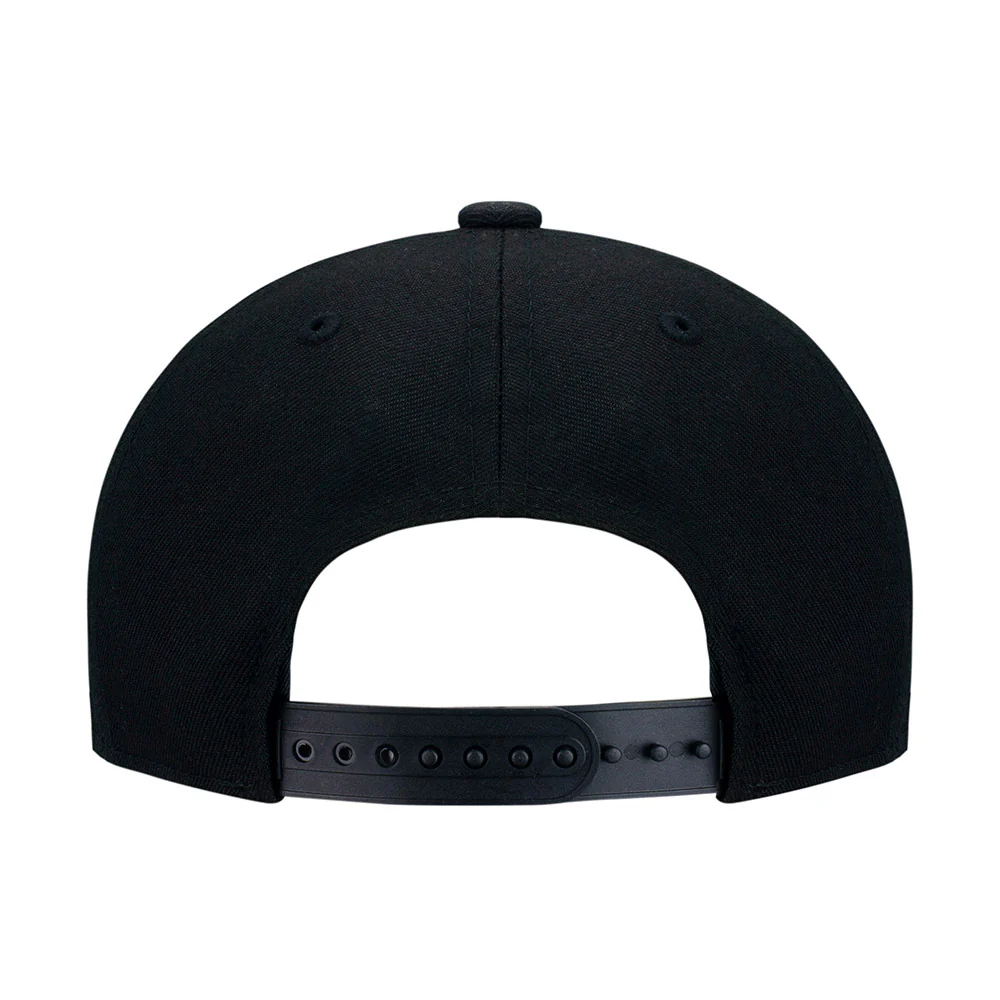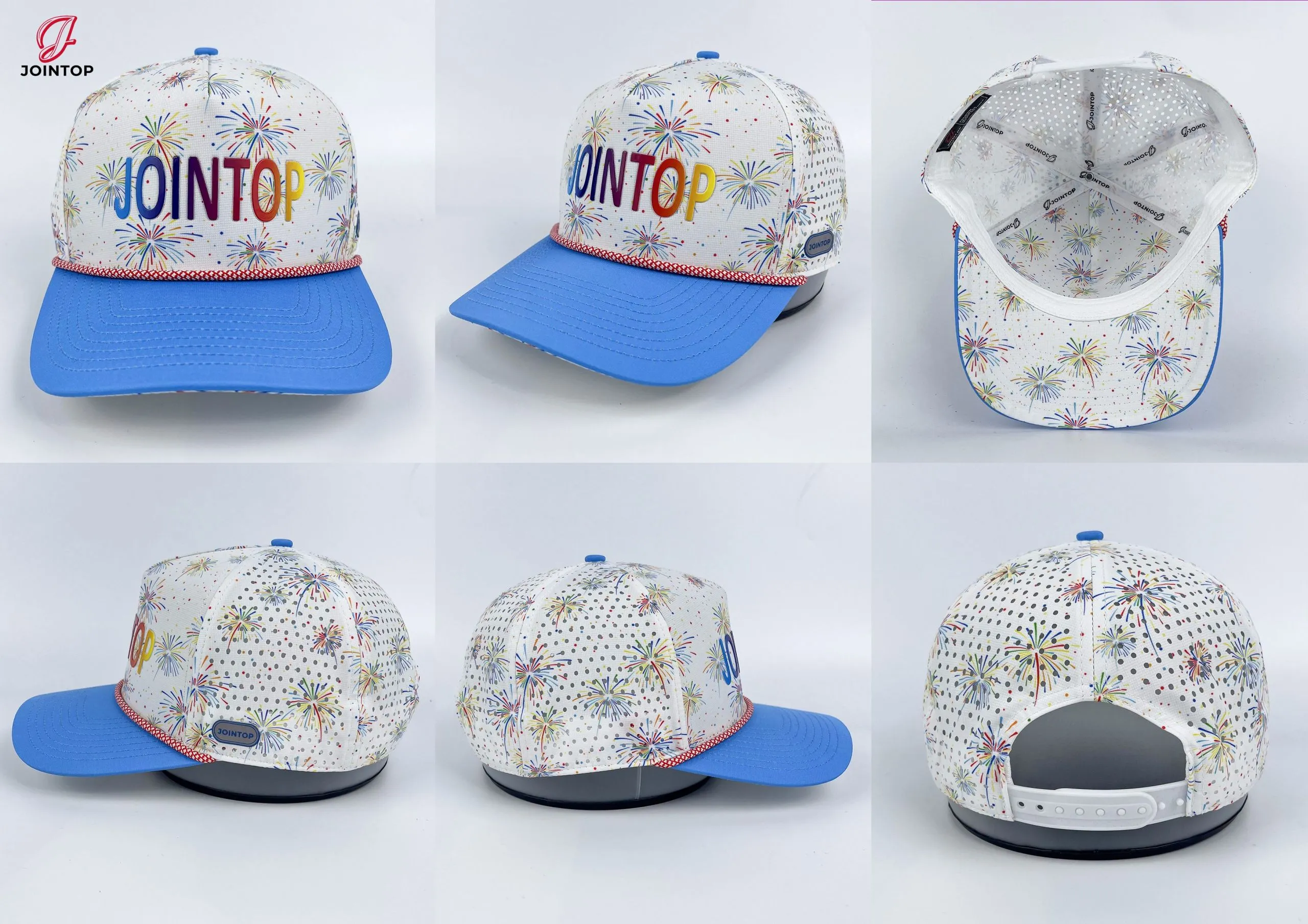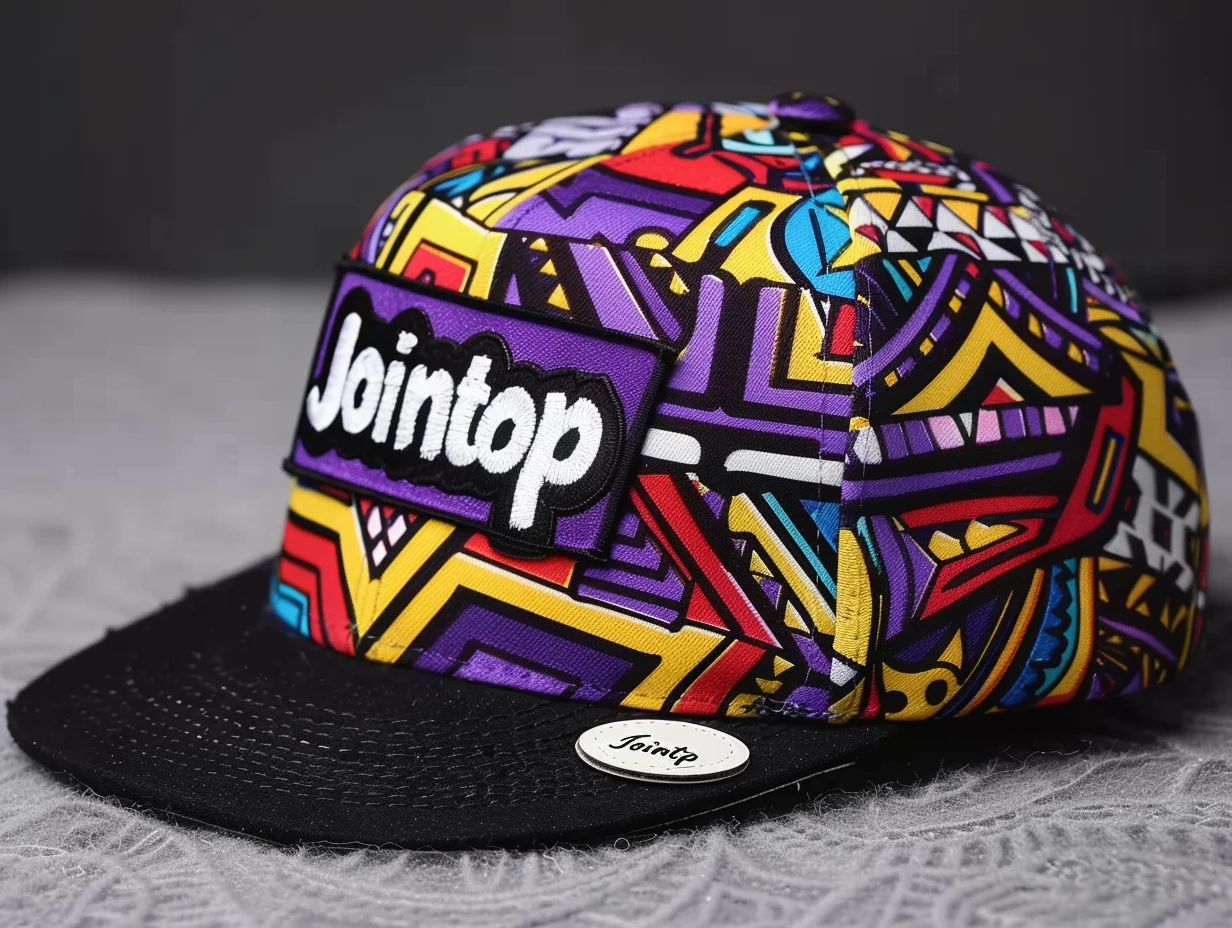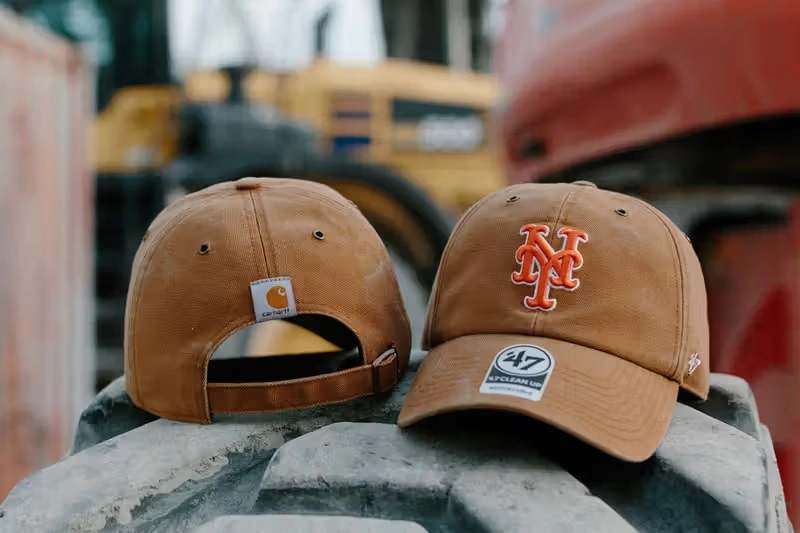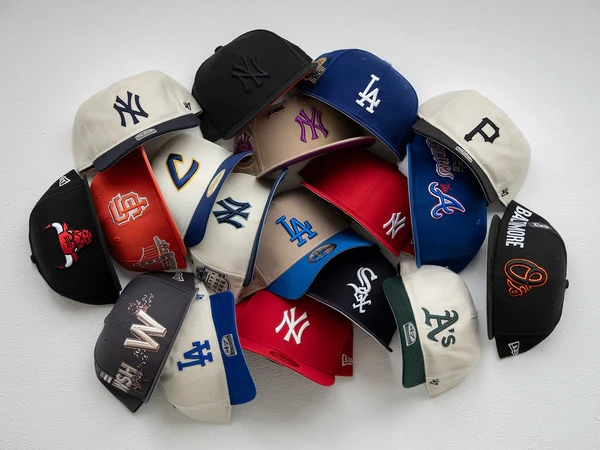
Snapback hats are more than just a fashion statement—they’re cultural icons that have traveled from baseball fields to music stages and into everyday wardrobes. With their adjustable fit and signature flat brim, they’ve become a go-to accessory for generations.
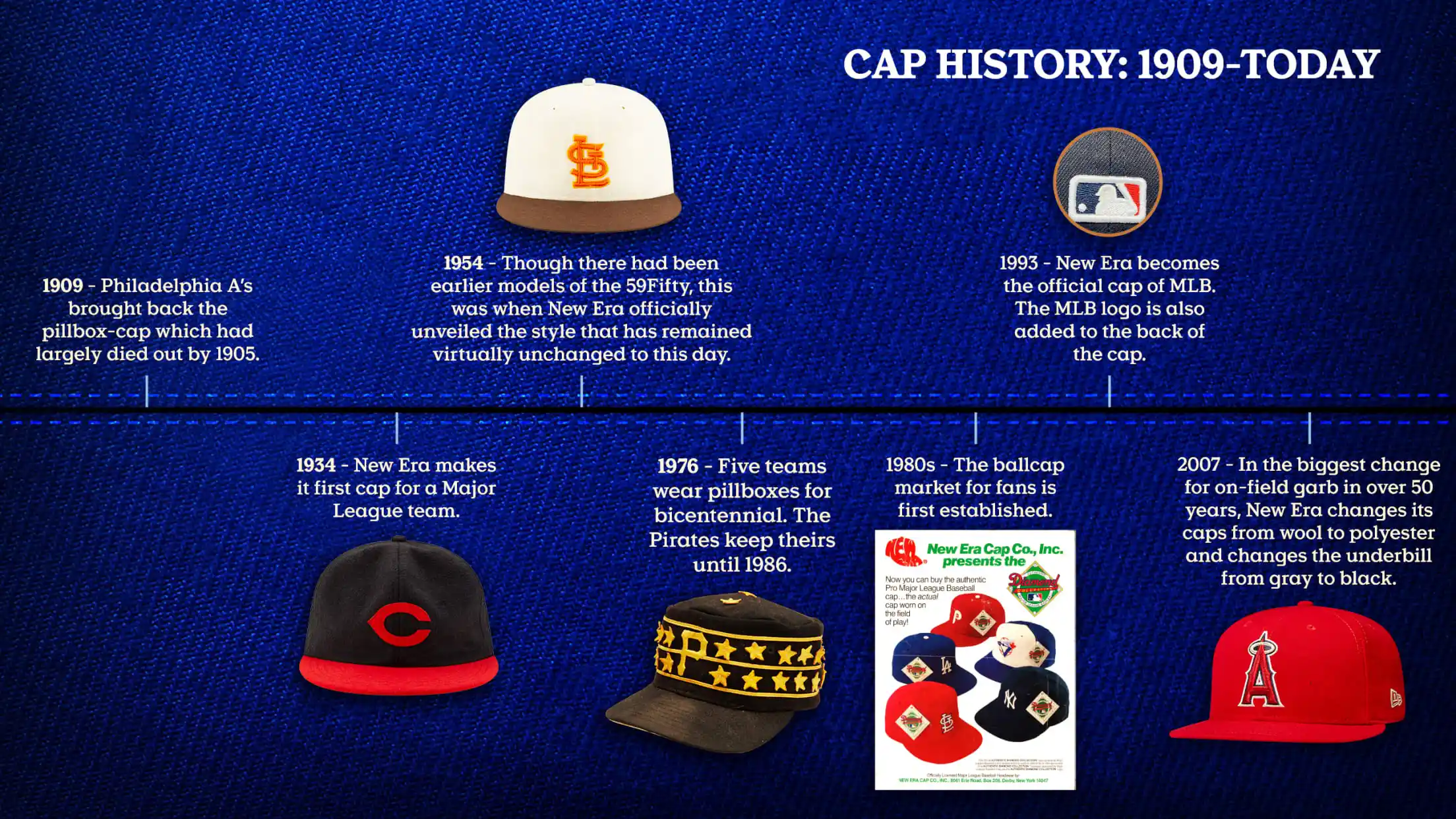
But where did this popular hat actually come from? In this article, we’ll explore the history of snapback hats, tracing their roots back to early baseball teams and following their journey through decades of design, music, and modern streetwear culture.
Where It All Began – Baseball Origins in the 1800s–1950s

Before snapbacks became a streetwear staple, they had their humble beginnings on the baseball field. Back in 1849, the New York Knickerbockers—one of the earliest baseball clubs—wore straw hats as part of their team uniform.Â
By 1858, the Brooklyn Excelsiors made a small but significant shift. They introduced a new cap style with a round crown and a short brim at the front, ditching the full-brim straw hat look.Â
This design was more comfortable, functional, and became an early model for what would eventually evolve into the modern snapback.
Why the Shift in Style?
Sun Protection: Players needed shade without bulk.
Team Unity: Uniform hats created a sense of identity.
Performance: Lightweight caps were easier to play in.
These early adaptations set the groundwork for a cap style that would soon go far beyond the baseball diamond.
Rise in Pop Culture – 1980s to 1990s

The snapback hat didn’t stay on the baseball field for long. By the 1980s, it found a new home in the heart of hip-hop culture. Influential groups like Run-D.M.C., N.W.A., and other rising rap icons started wearing flat-brimmed snapbacks as part of their signature look.Â
Snapbacks in the Spotlight
Worn in music videos, interviews, and on stage
Seen as a fashion rebellion against the mainstream
Linked to the rise of urban streetwear
Moving into the 1990s, snapbacks became even more mainstream. Sitcoms like The Fresh Prince of Bel-Air featured Will Smith rocking colorful snapbacks—tilted, backwards, and bold. The style wasn’t just about headwear anymore—it became a way to express personality and stand out.
Around the same time, New Era signed a major licensing deal with MLB, making snapbacks with team logos widely available to fans. This helped push them beyond music and into sports fashion, solidifying their place in everyday streetwear.
Snapbacks weren’t just trendy—they were everywhere. And their pop culture rise helped set the stage for their lasting popularity.

Snapbacks as Fashion and Cultural Icons

By the late 90s and early 2000s, snapbacks had moved far beyond just being a cap—they became a fashion symbol. Thanks to the growing influence of streetwear, music, and sports, snapbacks represented more than just a casual accessory.Â
More Than Just a Hat
Worn by artists, athletes, and fans alike
Used to express loyalty to a team, brand, or lifestyle
Often styled with bold colors, oversized logos, and graphic embroidery
Snapbacks quickly turned into collectible items. From vintage sports teams to limited-edition releases, people began collecting snapbacks to showcase their style, passion, or nostalgia. Wearing one wasn’t just about sun protection—it was a way to say, this is who I am.
This fusion of fashion, function, and fandom helped snapbacks evolve into the iconic headwear we still see everywhere today.
Design Evolution Over the Decades

Snapback hats have come a long way from their early baseball roots. While the classic versions featured wool blends and structured crowns, today’s snapbacks have embraced a wide range of materials and finishes that reflect modern style and creativity.
From Classic to Contemporary
Traditional materials: wool, cotton twill, and canvas
Modern options: leather, suede, denim, even holographic textures
Popular for their durability and bold visual appeal
The closure system has also seen some updates. While the original plastic snap is still iconic, newer designs have added variety:
Classic snap closure
Buckle-back styles
Zipper or strap-based adjustments
And then there’s the brim—once a signature flat shape, it has since expanded to include slightly curved brims for a more relaxed or custom look.
Snapbacks today are a perfect mix of vintage vibes and modern flair. Whether you like a clean and classic design or something that turns heads, there’s a snapback out there that fits your vibe.
The 21st Century Revival and Global Adoption

Just when you thought snapbacks had peaked, they made a strong comeback in the 2000s and beyond. With the rise of Gen Z and millennial fashion trends, snapbacks resurfaced as a must-have accessory—only this time, with a blend of nostalgia and modern flair.
Why the Comeback?
Taps into Y2K and 90s nostalgia
Pairs well with streetwear and casual fits
Loved for its adjustable sizing and unisex appeal
From everyday wear to high-end runways, snapback hats found new life in the hands of both designers and influencers. Luxury brands like Gucci and Louis Vuitton released their own versions, while streetwear icons such as Supreme  pushed creative collaborations that sold out fast.
What makes the snapback so enduring is its ability to evolve with the times. Whether it’s a vintage sports logo, a bold designer graphic, or a minimalist embroidered symbol—it still fits, still flatters, and still brings that effortless cool.
Why Snapbacks Remain Timeless

Snapbacks aren’t just a passing trend—they’ve earned their place as a timeless staple in fashion. One of their biggest strengths? Versatility. These hats are gender-neutral, easy to style, and fit just about any head size or hairstyle, thanks to their adjustable back.
What Makes Snapbacks So Enduring?
Perfect for ponytails, braids, or short cuts
Unisex appeal makes it a favorite across all ages
Adjustable fit = no guesswork on sizing
More than just a practical accessory, snapbacks continue to thrive because they effortlessly blend sports, music, and urban culture. Whether you’re repping your favorite team, channeling hip-hop vibes, or just pulling off a laid-back look—snapbacks speak without saying a word.
And the best part? They keep evolving. With each new generation, new designs, materials, and messages breathe life into this iconic hat—making it a go-to for self-expression and style that never gets old.
Conclusion

From baseball beginnings to hip-hop stages and high-fashion runways, the history of snapback hats is a journey through culture, identity, and timeless style. Their ability to evolve while staying true to their roots is what keeps them relevant generation after generation.
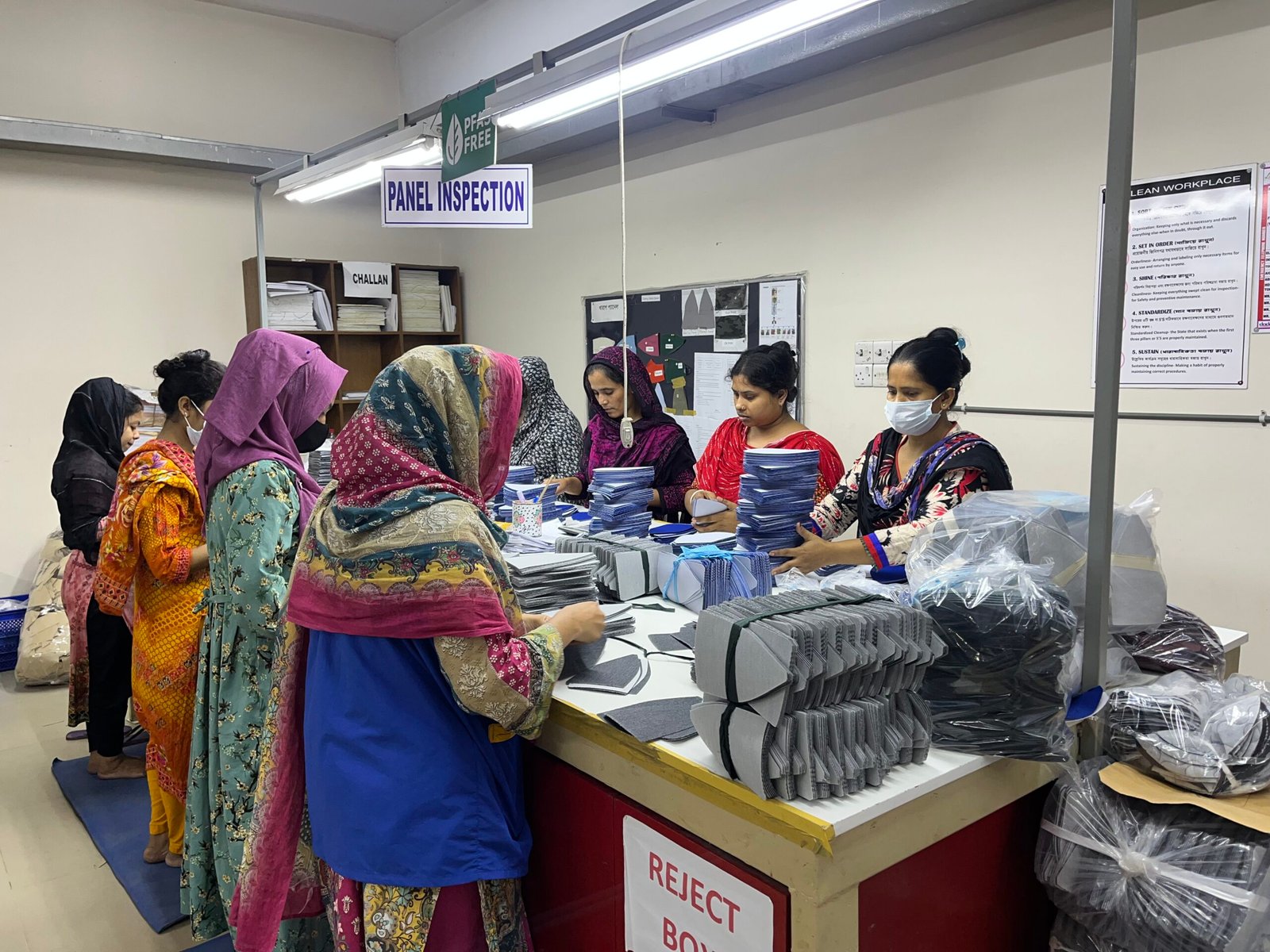
At Jointop, we specialize in custom snapback hats with full OEM/ODM service. With local factories in China, Bangladesh and Vietnam, we support fast sampling, competitive pricing, and flexible order quantities.
Whether you need branded designs or wholesale production, contact our team today to bring your hat ideas to life.
FAQs
When were snapback hats first invented?
Snapback hats trace their roots back to 1950s baseball, but the adjustable snap feature became popular later. The modern snapback design took shape in 1954 when New Era introduced the 6-panel cap.
Who made the first snapback hat?
New Era is credited with creating the first modern snapback. They initially designed caps for MLB teams and introduced the adjustable 6-panel version that defined today’s snapback.
Why did snapbacks become popular in the 1990s?
Snapbacks gained major popularity in the 1990s due to their presence in hip-hop culture and TV shows like The Fresh Prince of Bel-Air. Artists and celebrities made them symbols of urban style.
How did snapbacks influence streetwear fashion?
Snapbacks became a cultural symbol in streetwear thanks to their bold team logos, flat brims, and customizable fit. They helped blend sports, music, and street style into one fashion statement.
What makes snapbacks different from other hats?
The key features of a snapback are its flat brim and adjustable snap closure. This sets it apart from fitted caps (no adjustment) and trucker hats (mesh back design).